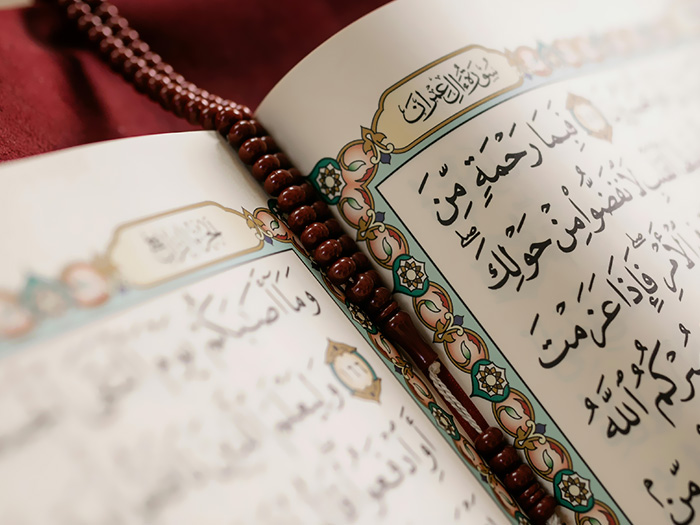
The Holy Qur’an, which is the final revelation sent to Prophet Muhammad ﷺ, is divided into 114 Surahs. Each Surah has its own unique theme, message, and beauty, yet all of them come together to form one perfect book. When you actually start to read, you notice that some surahs are very short, just a few verses, while others like Surah Al-Baqarah are very long and detailed. This variation itself feels like a miracle—it keeps you engaged and also shows how divine wisdom can be expressed in different ways.
Surah Al-Fatihah, the opening chapter, is only seven verses but it sets the foundation of the entire Qur’an. It’s like an introduction, a prayer that we recite in every prayer, asking Allah for guidance. Then comes Surah Al-Baqarah, which is the longest, full of laws, stories of prophets, lessons about faith and patience. As you move forward, each surah connects you to some aspect of life—family, society, history, spirituality.
One of the amazing things about the 114 surahs is how they cover the human experience so broadly. You find guidance for personal struggles, reminders of accountability, stories of nations before us, and even verses that comfort you in times of sadness. Surah Maryam, for example, tells the story of Mary and the birth of Isa (Jesus), with so much tenderness and detail. Surah Yusuf narrates the life of Prophet Yusuf in a way that feels almost like a continuous story, showing us patience and forgiveness.
The shorter surahs at the end, like Surah Al-Ikhlas, Surah Al-Falaq, and Surah An-Naas, are memorized by millions, even little children, because they are easy but also very powerful in meaning. Sometimes it amazes me that even just four verses of Surah Ikhlas can equal one-third of the Qur’an in reward.
Altogether, the 114 surahs create a rhythm—you can read them for knowledge, for peace, or simply for closeness to Allah. Every time you revisit them, you discover something new, even if you’ve read them before. That’s the beauty of the Qur’an, it’s not just a book to be read once; it’s a lifelong companion.